
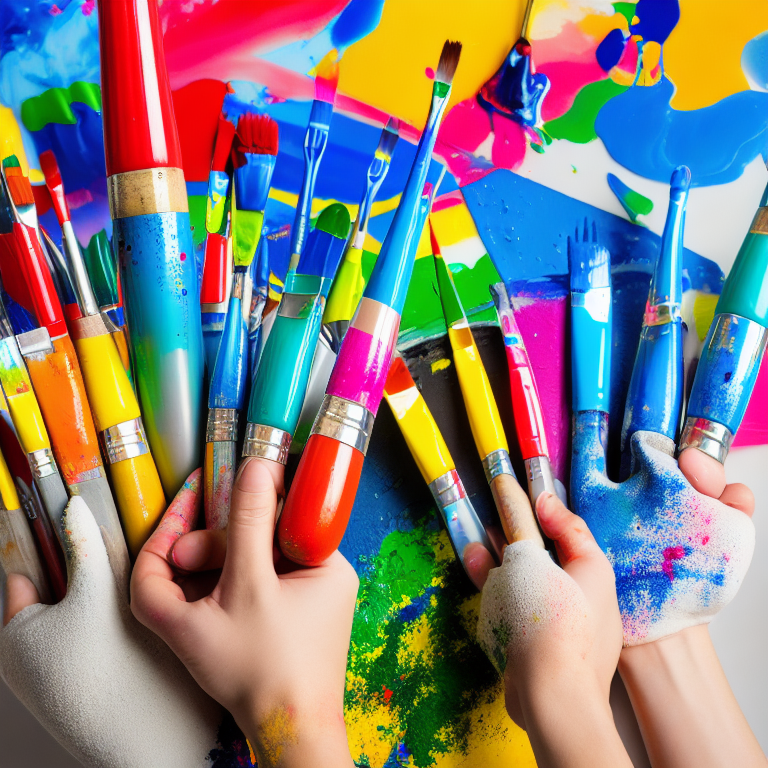
Choosing the right paintbrush can feel like a big decision, especially when you’re trying to match it to your unique art style. With so many shapes, sizes, and materials out there, it’s easy to get overwhelmed. But don’t worry—this guide will walk you through everything you need to know to pick the perfect brush for your next masterpiece.
Whether you’re into detailed portraits, bold abstracts, or delicate watercolors, the right brush can make all the difference. Let’s dive into the world of paintbrushes and discover how to find the one that feels just right in your hand.
Understanding Paintbrush Anatomy
Before you can choose the perfect brush, it helps to know what makes up a paintbrush. Every brush has three main parts: the bristles, the ferrule, and the handle.
The bristles are the most important part—they’re the hairs or fibers that actually touch the paint and canvas. These can be made from natural materials like hog hair or sable, or from synthetic fibers. The ferrule is the metal band that holds the bristles to the handle. A good ferrule won’t rust or loosen over time. The handle is usually made of wood or plastic and comes in different lengths for comfort and control.
Understanding these parts will help you spot a quality brush and choose one that suits your painting style.
Matching Brush Shape to Your Art Style
Different brush shapes are designed for different effects. If you love painting detailed landscapes or portraits, a round brush is your best friend. Its pointed tip lets you create fine lines and delicate details.
For bold strokes and filling in large areas, a flat brush is ideal. Its wide, straight edge is perfect for blocking in colors or making sharp lines. If you’re into creating texture—like painting grass, fur, or clouds—a fan brush can help you achieve those effects with ease.
Filbert brushes, which are flat with a rounded tip, are great for blending and creating soft edges. And if you enjoy calligraphy or lettering, a liner brush will give you the control you need for thin, precise lines.
Choosing the Right Bristle Material
The material of your brush bristles can affect how the paint flows and how the brush feels in your hand. Natural bristles, like hog hair, are sturdy and work well with oil paints. They hold a lot of paint and are excellent for creating texture.
Sable brushes are softer and more flexible, making them a favorite among watercolor artists. They hold a fine point and allow for smooth, controlled strokes.
Synthetic bristles are a popular choice for acrylic painters. They’re durable, easy to clean, and work well with heavy-bodied paints. Some synthetic brushes are even designed to mimic the qualities of natural bristles, giving you the best of both worlds.
Selecting the Right Brush Size
Brush size matters more than you might think. Small brushes (sizes 0-4) are perfect for adding fine details, like eyes in a portrait or tiny leaves in a landscape. Medium brushes (sizes 6-12) are versatile and great for general painting tasks. Large brushes (sizes 14 and up) are best for covering big areas quickly, like backgrounds or large washes in watercolor.
It’s a good idea to have a variety of sizes on hand so you can switch between details and broad strokes as needed.
Caring for Your Paintbrushes
Taking care of your brushes will help them last longer and perform better. Always clean your brushes thoroughly after each painting session. For oil paints, use a gentle brush cleaner or soap and warm water. Acrylics should be washed before the paint dries, as dried paint can ruin the bristles. Watercolors are usually easier to clean—just rinse with water until the water runs clear.
Store your brushes with the bristles facing up or lay them flat to dry. Never leave them standing in water, as this can damage the ferrule and bristles.
Experimenting with Specialty Brushes
Once you’re comfortable with the basics, you might want to try out some specialty brushes. Palette knives can be used for applying thick paint or creating unique textures. Mop brushes are excellent for soft blending in watercolor. Stencil brushes are perfect for dabbing paint through stencils or creating stippled effects.
Don’t be afraid to experiment! Trying new brushes can open up fresh possibilities in your artwork.
Budget-Friendly Tips for Buying Brushes
You don’t need to spend a fortune to get good brushes. Start with a few high-quality essentials rather than a big set of cheap brushes. Look for sales at art supply stores or consider buying brushes individually instead of in sets.
Student-grade brushes can be a great option for beginners or for experimenting with new techniques. Just remember, even budget brushes will last longer if you take good care of them.
Frequently Asked Questions (FAQ)
#### What is the best brush for beginners?
For beginners, a set of synthetic round and flat brushes in small, medium, and large sizes is a great place to start. These are versatile and work well with most types of paint.
#### How do I know if a brush is good quality?
A good brush will have bristles that spring back into shape after each stroke. The ferrule should be secure and not wobble. High-quality brushes may cost more, but they’ll last longer and give you better results.
#### Can I use the same brush for different types of paint?
It’s best to use separate brushes for oil, acrylic, and watercolor paints. Each type of paint can affect the bristles differently, and mixing them can damage your brushes or affect your artwork.
#### How often should I replace my paintbrushes?
With proper care, good brushes can last for years. Replace them when the bristles start to fray, lose their shape, or fall out frequently.
#### What’s the difference between natural and synthetic bristles?
Natural bristles, like hog hair or sable, are often preferred for oil and watercolor paints. Synthetic bristles are durable and work well with acrylics. Both have their own unique qualities, so choose based on your preferred paint type and style.
Conclusion
Finding the perfect paintbrush is all about understanding your needs and experimenting with different options. By learning about brush shapes, materials, and sizes, you can choose tools that help bring your artistic vision to life. Remember, the best brush for you is the one that feels comfortable and helps you create the effects you love. So go ahead—grab a brush, dip it in your favorite color, and let your creativity flow!