
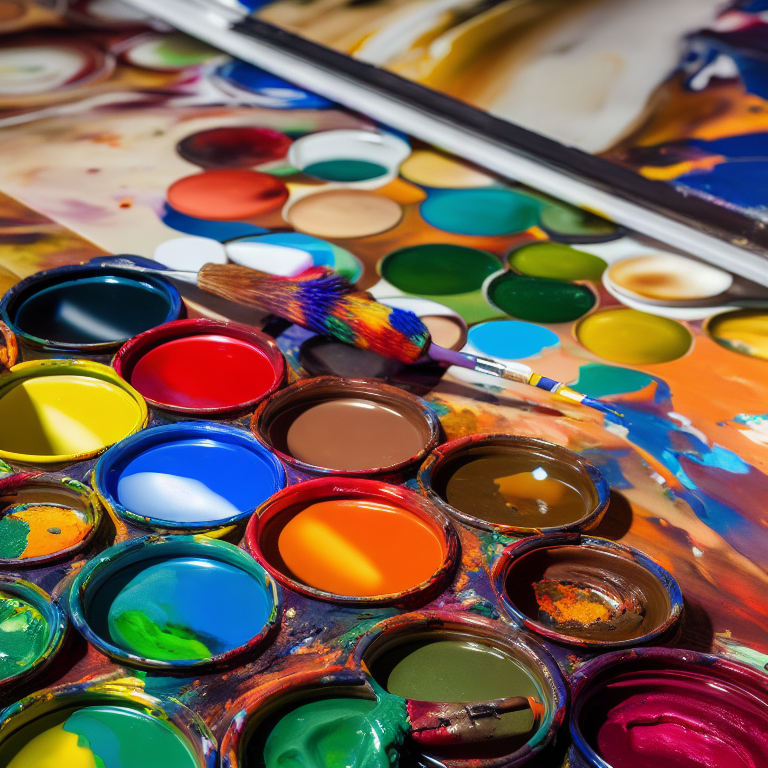
Have you ever looked at a beautiful painting and wondered how the artist made those colors look so perfect together? Mixing colors like a pro painter might seem tricky at first, but with a few simple tricks, you can start blending shades like a master. Whether you’re painting with acrylics, oils, or watercolors, understanding how to mix colors opens up a whole new world of creativity. In this guide, we’ll walk through easy ways to mix colors confidently, avoid common mistakes, and make your artwork pop with life.
Understanding the Color Wheel
The color wheel is your best friend when it comes to mixing colors. It’s a simple tool that shows how colors relate to each other. Primary colors—red, blue, and yellow—are the building blocks. By mixing two primary colors, you get secondary colors: orange, green, and purple. Mixing a primary with a neighboring secondary gives you tertiary colors like red-orange or blue-green.
Knowing the color wheel helps you predict what happens when you mix colors. For example, mixing blue and yellow makes green, while red and blue make purple. It also helps you avoid muddy colors by understanding which combinations work best. Keep a small color wheel nearby as a quick reference while painting.
Start with a Limited Palette
One of the easiest ways to mix colors like a pro is to start with a limited palette. Instead of buying every color under the sun, choose just a few basics: red, blue, yellow, white, and maybe one or two earth tones like burnt sienna or yellow ochre. This forces you to mix your own colors, which builds your skills faster.
A limited palette also helps you create harmony in your paintings because all the colors share a common base. You’ll be surprised at how many shades you can create from just a few tubes of paint. Plus, it saves money and keeps your workspace tidy.
Mix Colors Gradually
When mixing colors, patience is key. Start with a small amount of each color and mix gradually. It’s easier to darken a light color than to lighten a dark one, so begin with the lighter shade and add the darker color bit by bit. Use a palette knife for mixing—it gives you more control and keeps your brushes clean.
Test your mixed color on a scrap piece of paper or canvas before applying it to your artwork. Colors can look different when wet compared to when they dry, so this step helps you avoid surprises. If the color isn’t quite right, adjust it slowly by adding tiny amounts of another color until you get the perfect shade.
Use Complementary Colors Wisely
Complementary colors are opposite each other on the color wheel, like red and green or blue and orange. When mixed together, they can create rich, muted tones or even browns. This is useful for adding shadows or creating depth in your paintings.
However, be careful not to mix complementary colors in equal amounts, or you might end up with a dull, muddy color. Instead, use one color as the dominant shade and add just a touch of its complement to tone it down. This technique adds sophistication to your color mixing and makes your artwork more dynamic.
Experiment with Color Temperature
Colors can be warm or cool, and this temperature affects the mood of your painting. Warm colors like reds, oranges, and yellows feel energetic and inviting, while cool colors like blues and greens feel calm and soothing. Mixing warm and cool versions of the same color can add complexity to your work.
For example, a warm red mixed with a cool blue will give you a different purple than a cool red mixed with a warm blue. Pay attention to the temperature of your paints and how they interact. This awareness will help you create more nuanced and professional-looking color mixes.
Keep Your Palette Organized
A messy palette can lead to accidental color mixing and frustration. Keep your colors organized by placing them in the same spot every time you paint. Group similar colors together and clean your palette regularly to avoid contamination.
Use a clean surface for mixing, like a glass palette or a disposable pad. This makes it easier to see the true color of your mixes and keeps your workspace tidy. An organized palette helps you work more efficiently and enjoy the process of color mixing.
Learn from the Masters
Studying how famous painters mixed their colors can teach you a lot. Many old masters used limited palettes and mixed their own colors to achieve harmony and depth. Look at paintings by artists like Rembrandt, Monet, or Van Gogh and try to identify the color combinations they used.
You can also find books and online tutorials that break down the color palettes of famous artworks. Try recreating a small section of a painting using only the colors you mix yourself. This exercise builds your skills and deepens your understanding of color theory.
Practice, Practice, Practice
Like any skill, mixing colors takes practice. Set aside time to experiment with different color combinations without the pressure of creating a finished piece. Play with mixing complementary colors, creating gradients, and matching colors from real life.
Keep a color mixing journal where you record your experiments. Note which colors you used and the ratios that worked best. Over time, you’ll develop an intuition for color mixing that will make the process faster and more enjoyable.
Frequently Asked Questions (FAQ)
What are the best colors to start with for beginners?
Start with the three primary colors—red, blue, and yellow—plus white. You can mix almost any color from these basics. Adding a couple of earth tones like burnt sienna or yellow ochre can be helpful but isn’t necessary at first.
How do I avoid muddy colors when mixing?
Muddy colors often happen when you mix too many colors together or use too much of a complementary color. Stick to mixing two or three colors at a time, and clean your brush between mixes to keep colors pure.
Can I mix different brands of paint?
Yes, you can mix different brands, but be aware that some brands have different pigment strengths. It’s a good idea to test mixes on a scrap surface to see how they behave together.
How do I mix realistic skin tones?
Skin tones are tricky because they contain many subtle variations. Start with a base of red, yellow, and a touch of blue, then adjust with white, brown, or even a tiny bit of green for shadows. Observe real skin and practice mixing small amounts to match what you see.
What’s the difference between mixing light and mixing paint?
Mixing light (like on a computer screen) uses red, green, and blue to create colors, while mixing paint uses red, blue, and yellow. Paint mixing is subtractive, meaning colors get darker as you add more pigments, while light mixing is additive and gets lighter.
How can I make my colors more vibrant?
To keep colors vibrant, avoid adding too much white or black, which can dull them. Instead, use pure pigments and mix with colors that are close on the color wheel. Glazing—applying thin layers of transparent color—can also enhance vibrancy.
Conclusion
Mixing colors like a pro painter is all about understanding the basics, practicing regularly, and experimenting with confidence. By mastering the color wheel, starting with a limited palette, and learning how to control color temperature and harmony, you’ll be able to create stunning, professional-looking artwork. Remember, every great artist started as a beginner, so don’t be afraid to make mistakes and learn from them. With time and practice, you’ll develop your own unique style and approach to color mixing that will make your paintings truly stand out.