
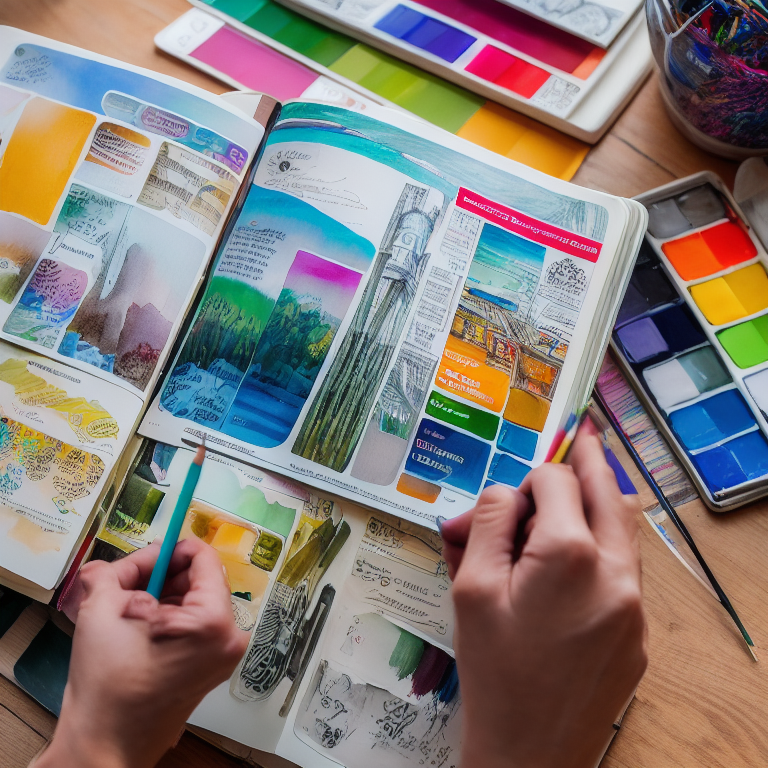
Every artist, from beginners to professionals, knows that a sketchbook is more than just a notebook. It is a trusted companion that holds ideas, experiments, mistakes, and breakthroughs. A sketchbook captures the journey of creativity in a way no digital tool can. Whether you draw, paint, or design, having a sketchbook by your side helps you grow faster and think more clearly. In this article, we will explore why sketchbooks are so important and how you can use them to become a better artist.
#### The Sketchbook as a Creative Playground
A sketchbook is your personal playground where you can try anything without fear of judgment. It is a safe space to experiment with new techniques, styles, and ideas. Unlike finished artworks, sketches do not need to be perfect. This freedom encourages you to take risks and explore your creativity more deeply. Many famous artists, like Leonardo da Vinci and Pablo Picasso, filled countless sketchbooks with ideas that later became masterpieces. Your sketchbook can be the birthplace of your next great work.
#### Building Consistency and Discipline
Using a sketchbook regularly helps you build a habit of creating art every day. Consistency is one of the most important factors in improving your skills. Even a quick five-minute sketch each day can make a big difference over time. By keeping your sketchbook with you, you can draw whenever inspiration strikes, whether you are at home, in a café, or traveling. This habit trains your brain to think creatively and helps you overcome creative blocks. Over time, you will see your progress clearly in the pages of your sketchbook.
#### Developing Your Unique Style
Your sketchbook is the perfect place to explore and develop your unique artistic voice. By trying different subjects, techniques, and materials, you can discover what feels most natural and exciting to you. You might find that you love drawing animals with bold lines or painting landscapes with soft watercolors. The more you experiment, the clearer your personal style will become. This process of self-discovery is essential for every artist who wants to stand out and create work that feels authentic.
#### Capturing Ideas Before They Fade
Great ideas often come at unexpected moments. A sketchbook allows you to capture these ideas quickly before they disappear. You can jot down a rough sketch, write a note, or even paste in a photo or ticket stub for inspiration. This habit of recording ideas helps you build a library of inspiration you can return to later. Many artists find that looking back through old sketchbooks sparks new ideas and helps them see patterns in their thinking. Your sketchbook becomes a treasure chest of creative gold.
#### Learning from Mistakes and Growing
Every artist makes mistakes, and sketchbooks are the perfect place to learn from them. Instead of erasing or hiding errors, you can embrace them as part of the learning process. By keeping your mistakes in your sketchbook, you create a record of your growth over time. You will see how far you have come and what challenges you have overcome. This perspective builds confidence and reminds you that every artist, no matter how skilled, started somewhere. Mistakes are not failures—they are steps on the path to improvement.
#### Improving Observation Skills
Sketching from life trains your eye to notice details you might otherwise miss. Whether you are drawing a person, a tree, or a building, you learn to see shapes, shadows, and textures more clearly. This skill is valuable not only for artists but for anyone who wants to appreciate the world more deeply. Carrying a sketchbook encourages you to slow down and observe your surroundings with curiosity. Over time, your ability to capture what you see will improve, making your art more lifelike and expressive.
#### Connecting with Other Artists
Sharing your sketchbook with others can be a powerful way to connect with fellow artists. Many art communities and classes encourage sketchbook sharing as a way to inspire and support each other. You can learn new techniques, get feedback, and find encouragement from others who share your passion. Even online, artists often post sketchbook pages to social media, creating a global community of creativity. Your sketchbook can be a bridge that connects you to a wider world of art and inspiration.
#### Choosing the Right Sketchbook for You
Not all sketchbooks are the same, and finding the right one can make a big difference in your creative process. Consider the size, paper quality, and binding style that suits your needs. A small, portable sketchbook is great for quick sketches on the go, while a larger one gives you more space for detailed work. The type of paper matters too—smooth paper is good for ink and pencil, while textured paper works well for charcoal and pastels. Experiment with different sketchbooks to find the one that feels right for you.
#### Making the Most of Your Sketchbook Time
To get the most out of your sketchbook, set aside regular time for sketching, even if it is just a few minutes a day. Try different prompts or challenges to keep things interesting. For example, you might sketch a different object from your home each day or try drawing with your non-dominant hand. Don’t worry about making every page perfect—focus on enjoying the process and exploring new ideas. Over time, you will build a rich collection of sketches that reflect your growth and creativity.
#### Frequently Asked Questions (FAQ)
What should I draw in my sketchbook?
You can draw anything that inspires you—objects around your home, people, animals, landscapes, or even abstract shapes. The key is to practice regularly and explore different subjects and styles.
How often should I use my sketchbook?
Try to use your sketchbook every day, even if only for a few minutes. Consistent practice is more important than the amount of time spent.
Can I use a sketchbook for other art forms besides drawing?
Absolutely! Many artists use sketchbooks for painting, collage, writing, and even planning larger projects. Your sketchbook can be as versatile as you are.
What if I make a mistake in my sketchbook?
Mistakes are part of the creative process. Instead of erasing, try to learn from them or incorporate them into your work. Your sketchbook is a place for experimentation, not perfection.
How do I keep my sketchbook from getting messy or disorganized?
Embrace the messiness! A sketchbook is meant to be a personal space for exploration. If you want, you can use tabs or sticky notes to mark favorite pages or important ideas.
#### Conclusion
A sketchbook is more than just a collection of drawings—it is a record of your artistic journey, a tool for growth, and a source of endless inspiration. By using a sketchbook regularly, you build habits that help you improve, discover your unique style, and connect with other artists. Whether you are just starting out or have been creating for years, a sketchbook is an essential companion for every artist. So grab your pencil, open your sketchbook, and let your creativity flow. Your next great idea might be just one sketch away.