
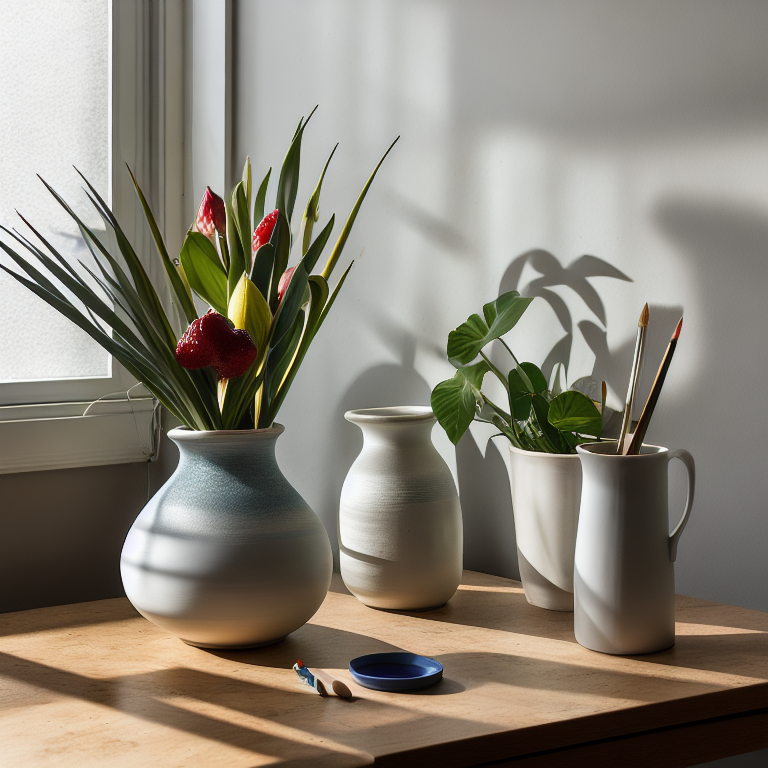
Light and shadow are the secret ingredients that bring your artwork to life. Whether you’re painting, drawing, or creating digital art, understanding how light works will transform your creations from flat and boring to dynamic and realistic. This guide will walk you through everything you need to know about light and shadow, helping you create artwork that pops off the page.
Light is more than just brightness – it’s a powerful tool that artists use to create depth, mood, and emotion in their work. When you understand how light behaves, you can control how viewers experience your art. The way light falls across a face, how shadows stretch across a landscape, or how highlights catch on shiny surfaces – these elements make your artwork believable and engaging.
Every object in your artwork exists in a world of light. That world has rules, and once you learn them, you can break them intentionally for creative effect. Light travels in straight lines until it hits something, then it bounces, scatters, or gets absorbed. This simple principle creates the complex interplay of light and shadow that makes art feel real.
Understanding the Basics of Light Direction
Light direction determines where shadows fall and how highlights appear on your subject. The direction of light in your artwork sets the entire mood and tells a story about the time of day, location, and atmosphere. Front lighting creates even, flat illumination that minimizes shadows. Side lighting emphasizes texture and form by creating strong shadows. Backlighting creates silhouettes and dramatic rim lighting around edges.
The angle of light also matters tremendously. Light coming from above, like the sun at noon, creates short, crisp shadows. Light at a low angle, like sunrise or sunset, creates long, dramatic shadows that stretch across your scene. Understanding these basic lighting directions helps you plan your compositions and create the specific mood you want.
When you’re setting up a still life or planning a portrait, think about where your light source is coming from before you start. This decision will affect every mark you make. Many beginners make the mistake of randomly placing shadows without considering the light source, which makes their work look flat and confusing to viewers.
The Five Elements of Light and Shadow
Every well-lit subject shows five distinct elements: highlight, midtone, core shadow, reflected light, and cast shadow. The highlight is the brightest spot where light hits directly. The midtone is the area that receives light but isn’t directly facing the light source. The core shadow is the darkest part on the object itself, usually where the surface curves away from the light.
Reflected light is often overlooked by beginners but is crucial for realistic rendering. This is light that bounces off nearby surfaces and illuminates the shadow side of objects. Without reflected light, shadows appear dead and flat. The cast shadow is the shadow an object throws onto other surfaces – this is what most people think of when they hear “shadow.”
Understanding these five elements and how they work together is essential for creating believable three-dimensional forms on a two-dimensional surface. Each element has its own value range and edge quality, and mastering how to render each one separately will dramatically improve your artwork.
How Light Behaves on Different Surfaces
Different materials interact with light in unique ways. Matte surfaces like paper or cloth scatter light in many directions, creating soft transitions between light and shadow. Glossy surfaces like metal or glass reflect light sharply, creating bright highlights and dark, crisp shadows. Translucent materials like glass or thin fabric allow some light to pass through, creating glowing edges and complex shadow patterns.
Understanding material properties helps you choose the right techniques for rendering different surfaces. A silk scarf requires soft, blended transitions, while a chrome vase needs sharp, precise highlights. The same light source will look completely different on different materials, and your job as an artist is to capture these differences accurately.
Practice observing how light interacts with everyday objects around you. Notice how a wooden table has soft, warm highlights while a glass window has sharp, cool reflections. These observations will build your visual library and help you render materials more convincingly in your artwork.
Creating Depth with Atmospheric Perspective
Light and shadow don’t just create form – they also create space and depth in your artwork. Atmospheric perspective is the phenomenon where distant objects appear lighter, less detailed, and bluer than nearby objects. This happens because light scatters as it travels through the atmosphere, and understanding this effect helps you create convincing landscapes and deep compositions.
In atmospheric perspective, shadows become lighter and less contrasty as they recede into the distance. The darkest darks in your foreground become medium grays in your middle ground, and almost disappear in your background. This gradual shift in value helps guide the viewer’s eye through your composition and creates a sense of vast space.
Mastering atmospheric perspective means understanding how light changes over distance. Close objects have strong, dark shadows and bright highlights. Distant objects have soft, light shadows and muted highlights. This principle applies whether you’re painting a mountain range or arranging objects on a table.
The Psychology of Light and Shadow
Light and shadow do more than just show form – they create mood and emotion in your artwork. Bright, even lighting feels safe and cheerful. Dramatic, high-contrast lighting feels mysterious or intense. Soft, diffused lighting feels gentle and romantic. The way you handle light and shadow can completely change the emotional impact of your artwork.
Consider how different lighting setups affect the mood of a portrait. A face lit from below creates an eerie, unsettling feeling. A face lit from the side creates drama and reveals character. A face lit from above creates a natural, everyday feeling. These psychological effects of lighting are powerful tools for storytelling in your art.
Think about the story you want to tell with your artwork, then choose lighting that supports that story. A still life of food might use warm, inviting light to make viewers hungry. A portrait might use dramatic lighting to reveal the subject’s inner strength or vulnerability. Your lighting choices should always serve the emotional content of your work.
Common Lighting Mistakes and How to Fix Them
Many beginners struggle with consistent lighting in their artwork. One common mistake is having multiple light sources that don’t make sense together. If you have a strong light coming from the left, all your shadows should fall to the right. Inconsistent shadow direction confuses viewers and makes your work look amateurish.
Another frequent error is making shadows too dark or too light. Shadows should have color and life – they’re rarely pure black. Reflected light often illuminates shadow areas, so your darkest shadows are usually where the object meets a surface, not in the middle of the shadow side. Learning to see and render these subtle variations will make your work much more convincing.
Beginners also tend to make highlights too large and prominent. Highlights are usually small, sharp areas that catch the viewer’s eye. Making them too big or too numerous can make your work look shiny and artificial rather than naturally lit. Study how highlights work on real objects to understand their proper size and placement.
Light and Shadow in Different Art Mediums
Different art mediums handle light and shadow in unique ways. In oil painting, you can build up layers of transparent color to create luminous shadows and glowing highlights. The slow drying time allows for smooth blending and subtle transitions. Watercolor relies on the white of the paper for highlights, requiring careful planning and leaving areas unpainted.
Digital art offers unique advantages for handling light and shadow. You can easily adjust values, experiment with different lighting setups, and use layers to separate different lighting elements. Many digital artists use techniques like overlay layers for glows and multiply layers for shadows, giving them precise control over their lighting effects.
Pencil drawing requires a different approach, focusing on value control and edge quality. The hardness of your pencil, the pressure you apply, and your blending technique all affect how you render light and shadow. Understanding your medium’s strengths and limitations helps you choose the best approach for your lighting studies.
Studying Light from Life
The best way to improve your understanding of light and shadow is to study from life regularly. Set up simple still life arrangements with a single light source and draw or paint what you see. Pay attention to how the five elements of light appear on different objects. Notice how colors change in light and shadow areas.
Go outside and observe how light changes throughout the day. Morning light is soft and warm, noon light is harsh and cool, evening light is dramatic and golden. Each type of natural light creates different shadow patterns and color temperatures. These observations will inform your artistic decisions and make your work more convincing.
Don’t just look at the obvious – study the subtle effects of light bouncing between objects, the way translucent materials glow, how reflective surfaces create complex patterns. The more you observe and record these effects, the more your artistic intuition about light and shadow will develop.