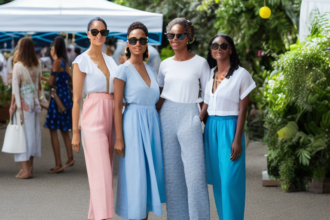
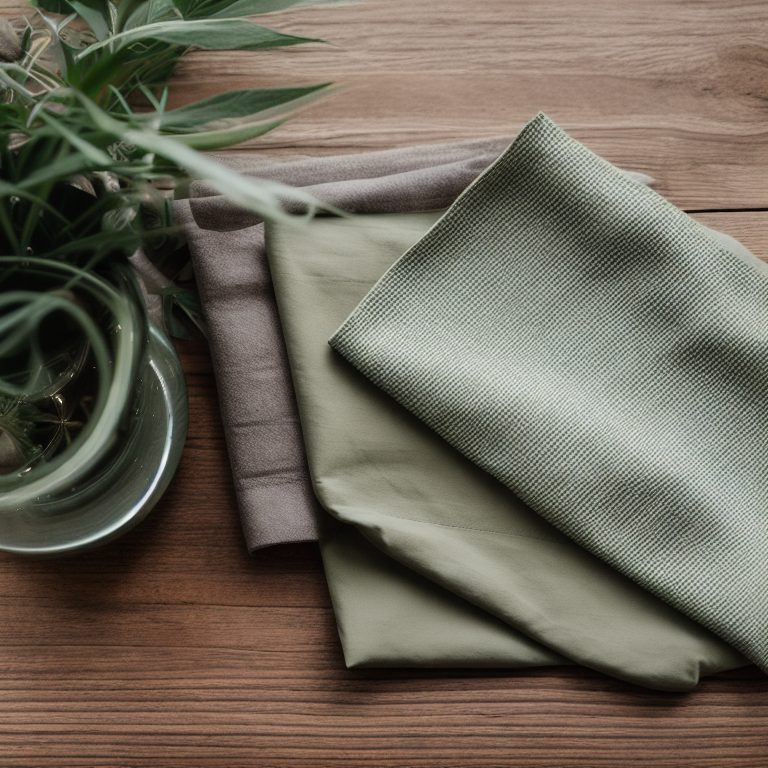
When you think about fashion, you might picture beautiful clothes, but what about the impact those clothes have on our planet? Traditional clothing production uses tons of water, harmful chemicals, and creates mountains of waste. That’s why sustainable fabrics are becoming so important in eco-friendly fashion.
Sustainable fabrics are materials made in ways that are better for the environment. They use less water, fewer chemicals, and often come from renewable resources. Choosing clothes made from these fabrics helps reduce pollution and protects our planet for future generations.
The fashion industry is one of the biggest polluters in the world. But you can make a difference just by choosing what you wear. Let’s explore the best sustainable fabrics that are changing the fashion world for the better.
Organic Cotton: The Classic Choice
Organic cotton is grown without harmful pesticides or synthetic fertilizers. This means it’s better for the soil, uses less water, and is safer for the farmers who grow it. Unlike regular cotton, which uses massive amounts of chemicals, organic cotton keeps those toxins out of our water systems.
The feel of organic cotton is just as soft and comfortable as regular cotton, but you can wear it knowing you’ve made a healthier choice. Many popular clothing brands now offer organic cotton options for everything from t-shirts to jeans. The Global Organic Textile Standard (GOTS) certification ensures the cotton meets strict environmental and social criteria.
When shopping for organic cotton, look for certifications like GOTS or the Organic Content Standard (OCS). These labels guarantee you’re getting genuine organic material. You can find organic cotton in many styles, from casual wear to high-end fashion pieces.
Hemp: The Super Plant
Hemp is one of the most eco-friendly fabrics you can choose. This amazing plant grows quickly without needing much water or pesticides. It actually improves the soil where it grows, making it better for future crops. Hemp fabric is strong, durable, and gets softer with each wash.
The history of hemp in textiles goes back thousands of years. Ancient civilizations used it for clothing, ropes, and sails. Today, modern processing techniques have made hemp fabric more comfortable and versatile than ever before. It’s naturally resistant to UV light and mold, making it perfect for outdoor clothing.
Hemp blends well with other fabrics like organic cotton or recycled polyester. This creates clothing that’s both sustainable and practical. The plant grows so fast that it can be harvested multiple times per year, making it a truly renewable resource.
Tencel and Lyocell: The Future of Fabric
Tencel, also known as Lyocell, is made from wood pulp, usually from eucalyptus trees. The production process uses a closed-loop system where almost all the chemicals and water are recycled. This makes it one of the most environmentally friendly fabrics available today.
The fabric feels incredibly soft and smooth against your skin. It’s breathable, moisture-wicking, and resists wrinkles naturally. Tencel is perfect for everything from activewear to elegant dresses. The trees used for Tencel grow quickly and don’t need irrigation or pesticides.
Major fashion brands are increasingly using Tencel in their collections. The fabric drapes beautifully and holds color well, making it a favorite among designers. It’s also biodegradable, so when your Tencel garment reaches the end of its life, it won’t sit in a landfill for hundreds of years.
Recycled Materials: Giving Waste New Life
Recycled fabrics are made from materials that would otherwise end up in landfills. This includes recycled polyester from plastic bottles, recycled nylon from fishing nets, and even recycled cotton from textile waste. Using these materials keeps waste out of our oceans and reduces the need for new raw materials.
Recycled polyester uses about 59% less energy to produce than virgin polyester. It also creates 32% less CO2 emissions. Brands like Patagonia have been pioneers in using recycled materials, showing that sustainable fashion can be both stylish and practical.
The technology for recycling fabrics is constantly improving. Now you can find high-quality recycled fabrics that look and feel just like their virgin counterparts. From cozy fleece jackets to sleek activewear, recycled materials are becoming mainstream in eco-friendly fashion.
Piñatex: Leather Alternative from Pineapple Leaves
Piñatex is an innovative fabric made from pineapple leaf fibers. It’s a sustainable alternative to leather that doesn’t harm animals and uses a byproduct from the pineapple industry. The leaves would normally be burned or thrown away, but now they’re being turned into beautiful, durable fabric.
This material is perfect for bags, shoes, and accessories. It has a similar texture to leather but is lighter and more flexible. Piñatex production provides additional income for farming communities in the Philippines, where the material was developed.
The environmental impact of traditional leather production is significant, involving toxic chemicals and huge amounts of water. Piñatex offers a solution that’s better for animals, workers, and the planet. Many high-end designers are now incorporating this innovative material into their collections.
Linen: The Ancient Sustainable Fabric
Linen comes from the flax plant and has been used for thousands of years. It’s one of the most biodegradable fabrics available, breaking down naturally when composted. Flax grows in poor soil and requires very little water or pesticides to thrive.
The fabric is naturally strong and becomes softer with each wash. Linen is perfect for hot weather because it’s highly breathable and wicks moisture away from your skin. It also has natural antibacterial properties, making it great for people with sensitive skin.
Modern linen production has become more efficient while maintaining its eco-friendly benefits. The entire flax plant can be used, leaving no waste behind. From seeds to oil to fabric, every part of the plant has a purpose. Linen is timeless and versatile, working well for both casual and formal wear.
Bamboo: Fast-Growing and Versatile
Bamboo is one of the fastest-growing plants on earth, making it an incredibly renewable resource. It can grow up to three feet in a single day and doesn’t need pesticides or much water. Bamboo fabric is naturally soft, breathable, and has antibacterial properties.
However, it’s important to note that not all bamboo fabric is created equal. Mechanically processed bamboo (bamboo linen) is the most eco-friendly option, while chemically processed bamboo viscose uses more resources. Look for certifications like Oeko-Tex to ensure the bamboo fabric was produced responsibly.
Bamboo fabric is excellent for activewear because it wicks moisture and regulates temperature. It’s also naturally UV resistant, making it great for summer clothing. The plant grows so quickly that it can be harvested without killing the plant, allowing it to regrow from the same roots.
Cork Fabric: Nature’s Leather Alternative
Cork fabric is made from the bark of cork oak trees. The amazing thing about cork harvesting is that the bark regenerates, so the trees aren’t cut down. This makes cork a truly renewable resource. The harvesting process actually extends the life of the trees and helps them absorb more CO2.
Cork fabric is lightweight, water-resistant, and has a unique, natural texture. It’s perfect for bags, wallets, and shoes. The material is also hypoallergenic and easy to clean. Cork forests provide habitat for many endangered species and help prevent soil erosion.
Portugal produces about 50% of the world’s cork, and the industry supports many rural communities. Cork fabric is gaining popularity in sustainable fashion as designers discover its versatility and eco-friendly properties. It’s a great alternative to synthetic materials and conventional leather.
Frequently Asked Questions (FAQ)
What makes a fabric truly sustainable?
A truly sustainable fabric considers the entire lifecycle of the material. This includes how the raw materials are grown or sourced, the production process, the working conditions of the people who make it, and what happens to the fabric at the end of its life. Look for certifications like GOTS, Oeko-Tex, and Fair Trade to ensure sustainability claims are legitimate.
How can I tell if clothing is made from sustainable fabrics?
Check the label for fabric content and look for sustainability certifications. Many eco-friendly brands proudly display their sustainable practices on their websites and product descriptions. You can also research brands before shopping to see their commitment to sustainability. Some apps and websites can help you verify a brand’s environmental claims.
Are sustainable fabrics more expensive?
Sometimes sustainable fabrics cost more upfront, but they often last longer and are better quality. Think of it as an investment in both your wardrobe and the planet. As demand increases and production scales up, prices are becoming more competitive with conventional fabrics.
Can sustainable fabrics be stylish?
Absolutely! Many high-end designers and popular brands are now using sustainable fabrics. From luxury fashion houses to everyday wear, sustainable options are available in every style. The key is finding brands that align with your aesthetic while maintaining eco-friendly practices.
How do I care for sustainable fabrics?
Most sustainable fabrics require gentle care to maximize their lifespan. Wash in cold water, use eco-friendly detergents, and air dry when possible. Some fabrics like Tencel and organic cotton become softer with each wash. Always check the care label for specific instructions.
What’s the most sustainable fabric choice?
There’s no single “best” sustainable fabric, as it depends on your needs and values. Organic cotton, hemp, and Tencel are excellent all-around choices. Recycled materials are great for reducing waste. The most sustainable choice is often buying high-quality pieces that will last for years, regardless of the specific fabric.
Conclusion
Choosing sustainable fabrics is one of the easiest ways to make your fashion choices more eco-friendly. From organic cotton to innovative materials like Piñatex, there are so many options available today. Each sustainable fabric has its own unique benefits, whether it’s reducing water usage, keeping waste out of landfills, or supporting farming communities.
The future of fashion is sustainable, and you can be part of this positive change. Start by incorporating a few sustainable pieces into your wardrobe and learning about the materials you wear. Remember that sustainable fashion isn’t just about the fabric – it’s also about buying less, choosing well, and making your clothes last longer.
By understanding and choosing sustainable fabrics, you’re not just following a trend – you’re helping to create a better future for fashion and our planet. Every sustainable choice matters, and together we can make a significant impact on the fashion industry’s environmental footprint.