
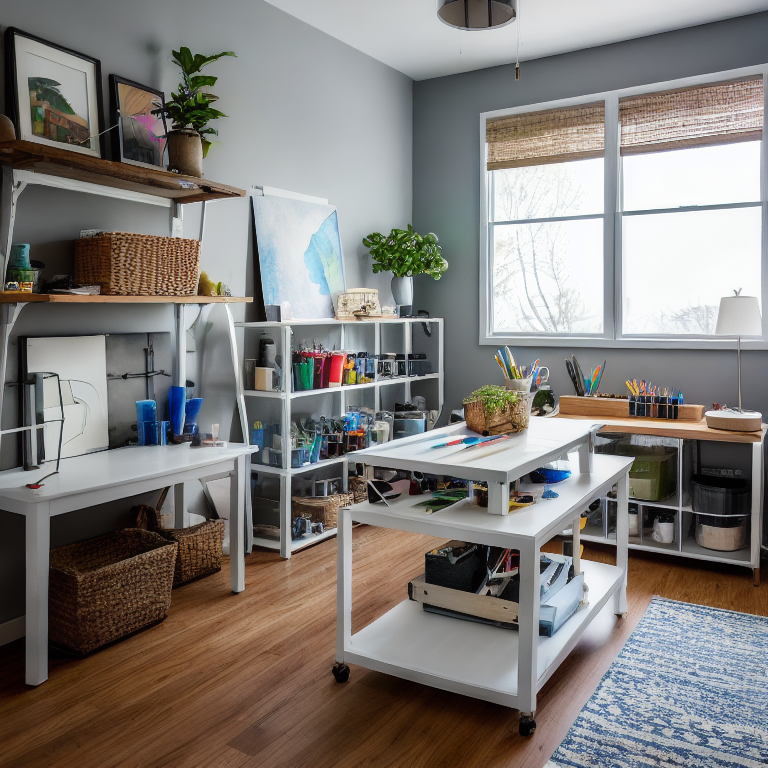
A messy art space can kill creativity faster than a dried-up marker. When you can’t find the right brush or your favorite colored pencil disappears into a pile of chaos, it’s frustrating and wastes precious creative time. Professional artists know that an organized workspace isn’t just about tidiness—it’s about creating an environment where inspiration can flow freely.
Whether you’re a weekend painter, a serious sketch artist, or someone who dabbles in multiple mediums, having your art supplies organized will transform your creative process. You’ll spend less time searching and more time making art. Plus, you’ll protect your investment in quality materials and extend their lifespan.
Let’s dive into the strategies that professional artists use to keep their supplies in perfect order, from storage solutions to maintenance routines that will keep your creative space running smoothly.
Assess Your Current Art Supply Situation
Before you start buying organizers and storage containers, take a honest look at what you actually own. Empty out your drawers, shelves, and storage boxes completely. This might feel overwhelming, but it’s essential to see everything you’re working with.
Sort your supplies into broad categories: drawing tools, painting supplies, paper and surfaces, tools and equipment, and miscellaneous items. As you sort, check for dried-out markers, broken pencils, empty paint tubes, and supplies you haven’t used in over a year. Be ruthless about letting go of items that no longer serve your artistic practice.
Consider your creative habits and space limitations. Do you work primarily at a desk, or do you need portable solutions for working in different locations? Understanding your workflow will help you create an organization system that actually works for you, not against you.
Create Designated Zones for Different Art Activities
Professional artists often organize their studios into specific zones based on different activities. Having designated areas for different types of work helps maintain order and improves efficiency. You might create a drawing zone with pencils, erasers, and sketchbooks easily accessible, a painting zone with brushes, paints, and palettes within arm’s reach, and a storage zone for finished works and supplies not currently in use.
Think about the natural flow of your creative process. If you typically sketch first, then paint, arrange your zones in that order. Keep frequently used items in the most accessible locations, and store specialty items that you use less often in secondary storage areas.
This zoning approach also helps with cleanup. When everything has a designated home, it’s easier to put things back where they belong after a creative session. Consider checking out our guide on how to choose the perfect paintbrush for your art style to ensure your painting zone has the right tools organized and ready to go.
Smart Storage Solutions for Different Art Supplies
Different art supplies require different storage approaches. Paper products like sketchbooks, watercolor paper, and canvas need flat storage to prevent warping and damage. Consider using flat files, under-bed storage containers, or dedicated shelves where paper can lie flat and be protected from moisture and light.
Drawing tools like pencils, pens, and markers work well in vertical organizers or divided containers. Group similar items together—graphite pencils in one section, colored pencils in another, and fine liners separately. This makes it easy to grab exactly what you need without digging through a jumbled mess.
Paint tubes can be organized by color family or type (acrylics, oils, watercolors) in shallow drawers or tiered organizers that allow you to see all your options at once. For more tips on working with colors effectively, check out our article on easy ways to mix colors like a pro painter.
Label Everything Clearly and Consistently
Professional organization systems rely heavily on clear labeling. Use a label maker or printed labels for a clean, professional look, or get creative with handwritten labels if that suits your artistic style better. The key is consistency—use the same labeling system throughout your space so you always know what to expect.
Label both the front and top of storage containers when possible, since you’ll be viewing them from different angles. Include not just the category name but also specific contents when helpful. For example, instead of just “Paints,” try “Acrylic Paints – Primary Colors” or “Watercolor Tubes – Earth Tones.”
Create a simple inventory system for your most valuable or frequently used supplies. This doesn’t need to be complicated—a basic spreadsheet or even a notebook where you track what you have and when you need to restock can save you from running out of essential materials mid-project.
Maintain Your Organization System Daily
The best organization system in the world will fail if you don’t maintain it. Develop a quick daily cleanup routine that takes no more than 5-10 minutes. Put tools back in their designated spots, wipe down surfaces, and check that everything is where it should be.
Consider implementing a “clean as you go” approach during your creative sessions. Take a moment between tasks to put away supplies you’re no longer using. This prevents the overwhelming buildup that can happen when you save all cleanup for the end.
Weekly, do a slightly more thorough check of your organization system. Are labels still clear? Have supplies shifted around? Is anything running low and needs to be restocked? This regular maintenance prevents small issues from becoming major organizational problems.
Storage Solutions for Small Spaces and Apartments
Not everyone has the luxury of a dedicated art studio. If you’re working with limited space, focus on vertical storage solutions and multi-purpose furniture. Wall-mounted organizers, over-the-door storage systems, and furniture with built-in storage can maximize your available space.
Consider portable storage options that can be easily moved when not in use. Rolling carts, stackable containers with handles, and art supply backpacks allow you to work wherever you have space and then store everything away neatly when you’re done.
Think creatively about unused spaces. The area under a bed, the back of a closet door, or even a section of a bookshelf can become valuable storage real estate. For inspiration on making the most of limited space, our article on how to frame your artwork without breaking the bank includes some clever storage and display ideas.
Protect Your Investment in Quality Art Supplies
Quality art supplies represent a significant investment, and proper organization helps protect that investment. Store supplies in environments with stable temperature and humidity levels. Extreme conditions can damage paper, affect paint consistency, and cause other materials to deteriorate.
Keep supplies away from direct sunlight, which can fade colors and damage certain materials. Use airtight containers for items that can dry out, like ink and certain paints. Consider adding silica gel packets to storage containers in humid environments to prevent moisture damage.
Regularly check your supplies for signs of damage or deterioration. Catching problems early can save you from losing valuable materials and help you maintain a reliable inventory of working supplies.
Digital Organization for the Modern Artist
In today’s digital age, many artists work with both traditional and digital tools. Create a digital organization system that mirrors your physical one. Organize digital reference photos, tutorials, and project files in clearly labeled folders on your computer or cloud storage.
Consider using apps designed for artists to track your supplies, projects, and inspiration. Some apps allow you to catalog your physical supplies, set reminders for when to restock, and even track the colors and brands you prefer.
Back up your digital art files regularly and organize them in a way that makes sense for your workflow. Create folders for different projects, years, or types of work. A good digital organization system can be just as valuable as a well-organized physical space.
Frequently Asked Questions (FAQ)
How often should I reorganize my art supplies?
Most artists benefit from a major reorganization every 3-6 months, with daily and weekly maintenance in between. Your needs may change as your artistic practice evolves, so regular reassessment helps ensure your system continues to work for you.
What’s the best way to store expensive brushes?
Store quality brushes horizontally or with bristles facing up in containers that don’t crowd them. Never store brushes bristle-down in water or solvent, as this damages the bristles. Consider using brush holders or rolls that protect the bristles during storage.
How can I organize supplies when I work in multiple mediums?
Create separate storage areas or containers for each medium, even if they’re small. Use portable caddies or toolboxes that can be easily moved when you switch between different types of art-making. Label everything clearly so you can quickly find what you need.
What should I do with supplies I no longer use?
Consider donating usable supplies to schools, community centers, or art programs. Some art supply stores accept donations or have exchange programs. For supplies that are no longer usable, check local recycling guidelines for proper disposal methods.
How do I prevent my workspace from getting messy during creative sessions?
Try the “one in, one out” rule—when you take out a new supply, put away one you’re finished with. Use a drop cloth or work surface protector to contain mess. Keep a small trash can and a “to put away” bin nearby for easy cleanup as you work.
What’s the most important thing to consider when organizing art supplies?
The most crucial factor is creating a system that works with your natural workflow and habits. The fanciest organization system won’t help if it doesn’t match how you actually create art. Start simple and adjust based on what works for you.
Conclusion
Organizing your art supplies like a pro isn’t about achieving perfect Instagram-worthy shelves—it’s about creating a functional system that supports your creative process and protects your materials. When your supplies are well-organized, you’ll spend less time searching and more time creating, which is what being an artist is all about.
Remember that organization is a personal journey. What works perfectly for one artist might be completely wrong for another. Start with the basic principles of grouping similar items, labeling clearly, and maintaining your system regularly, then adapt these ideas to fit your unique needs and space.
The time you invest in organizing your art supplies will pay dividends in saved time, protected materials, and a more enjoyable creative experience. Whether you’re working in a dedicated studio or a corner of your living room, a well-organized space helps your creativity flow freely and keeps your artistic practice sustainable for the long term. For more artistic inspiration and practical tips, explore our other articles on finding your unique artistic voice and mastering essential art techniques.